
Salako Says NPHI Will Solve Power Problem In Health Sector
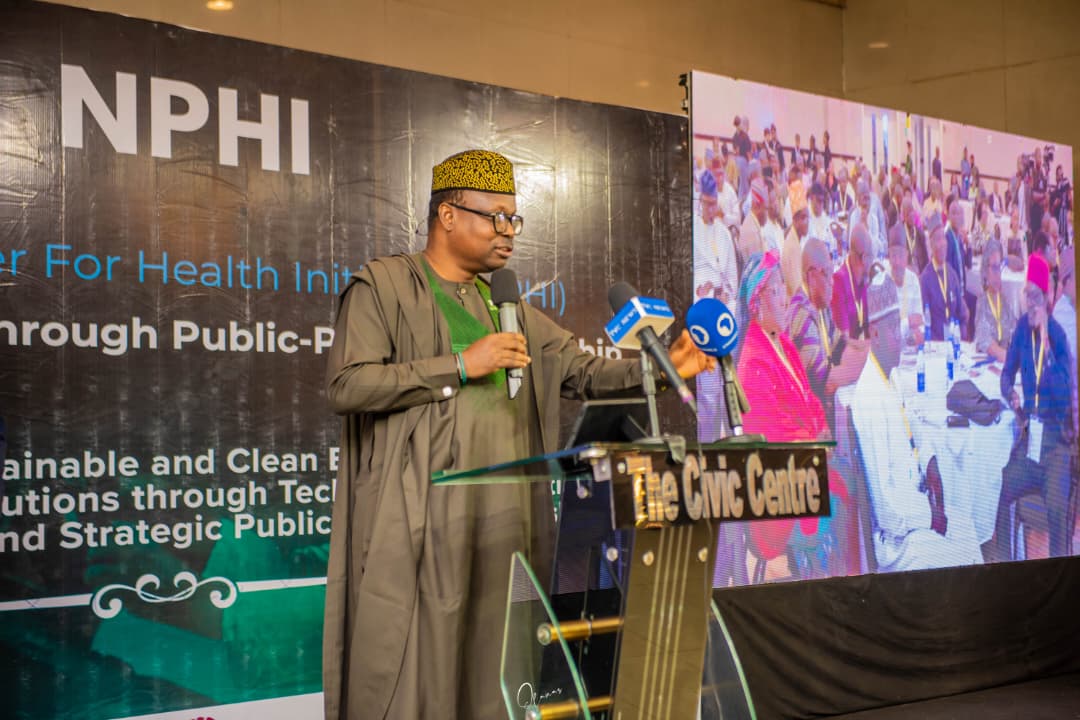
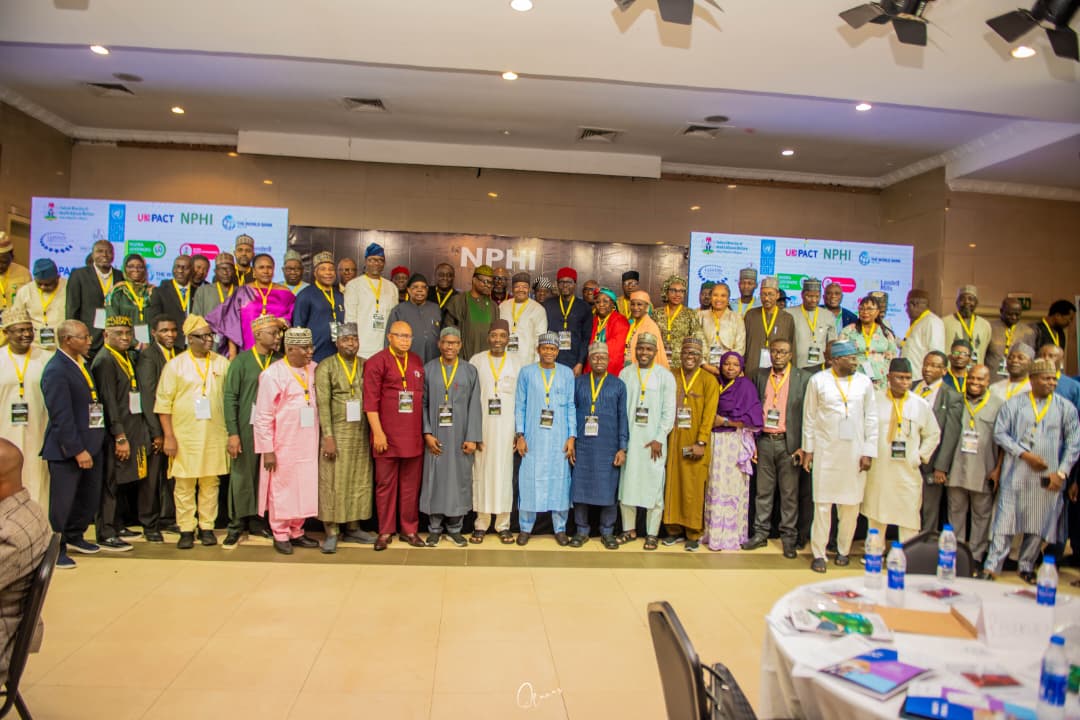
The electricity challenge in Nigeria which has made healthcare facilities to become energy companies would be a thing of the past. This was stated by Dr. Iziaq Adekunle Salako, the Minister of State for Health and Social Welfare at the National Healthcare Electrification Investor Matchmaking Forum held at the Civic Centre, Victoria Island, Lagos on Monday 15th June, 2026. In a statement made available to nigerianecho.com.ng by Agba’kin Wale Junaid, the Special Assistant to the Minister on Media and Strategy, he said the Nigeria Power for Health Initiative (NPHI), which was approved by the President and Commander in Chief of Nigeria Armed Force, President Bola Ahmed Tinubu, GCFR and now formally institutionalized as the national platform for driving healthcare electrification in Nigeria would address the challenge of power in health sector.
Across Nigeria, many healthcare facilities continue to struggle with unreliable power supply with grid outages, voltage fluctuations, and rising diesel costs becoming a limiting factor and persistent operational challenge. In most facilities, energy expenditure consumes a substantial proportion of operating revenues, diverting scarce resources away from patient care, workforce development, essential medicines procurement, and equipment maintenance. The consequences are measured not only in financial losses but in compromised health outcomes, reduced service availability, increased operational risks, and diminished public trust in our health system. Salako said reliable energy remains one of the most important investments Nigeria should make in strengthening healthcare delivery and improving health outcomes.
“The Nigeria Power for Health Initiative (NPHI) was established to address this challenge sustainably and at scale. For decades, healthcare electrification efforts have largely relied on government-funded projects and donor-supported asset deployment. While many of these interventions were well intentioned, experience has shown that this model has not produced the long last solution that our health systems requires. Too often, systems were procured, commissioned, and celebrated, scratching only the surface and deteriorating fast due to inadequate operations and maintenance arrangements, weak accountability structures, and unsustained lifecycle financing. The result has been an expensive cycle of installation, degradation, replacement, and renewed dependence on emergency solutions”, Salako noted.
The Minister said NPHI was designed to break that cycle . “At its core, is the introduction of a decisive shift away from historically inadequate public and donor-funded asset delivery models toward a public-sector-led, private-sector-driven, service-based financing architecture. Instead of focusing primarily on asset ownership, we are promoting a model that prioritizes service delivery, system performance, accountability, and long-term sustainability. Under this framework, healthcare facilities are no longer expected to become energy companies. Rather, specialized Energy Service Providers are expected to finance, deploy, operate, maintain, and guarantee energy services, while health institutions focus on their core mandate of delivering quality healthcare to Nigerians. This Energy-as-a-Service approach aligns incentives appropriately and is designed to reward operators for performance and reliability. Healthcare facilities receive dependable and cost effective energy services. Ultimately, investors gain access to predictable revenue streams, the people benefits from improved service delivery and government faces reduced fiscal pressure.”
He said this phase of NPHI is focusing on federal tertiary health institutions, the initiative is about powering the entire Nigerian health system is a sustainable, cost effective, environment friendly and reliable way.
“The NPHI is therefore being designed to support primary, secondary and tertiary levels of healthcare at both the public and private sectors. We will therefore work with states and local government and the private healthcare sector to ensure that lessons learnt from this phase are utilised to deliver a national solution to energy poverty in the health sector. In order to ensure credibility which is the tonic for investment decisions, the NPHI has invested considerable effort in establishing a robust governance and accountability framework. Governance of the Initiative is coordinated by the Inter-Ministerial Steering Committee (IMSC) which provides strategic oversight, policy direction, and alignment across key sectors including health, power, finance, and environment. Supporting the IMSC is a 24-member Inter-Agency Technical Committee (IATC), technical engine room of the initiative responsible for developing action plans, evaluating proposals, aligning technical strategies, ensuring technical quality, and promoting financial sustainability. At the operational level, Facility Energy Management Teams (FEMTs) are being established within healthcare facilities to oversee energy planning, performance monitoring, data management, and sustainability arrangements.
“Anchoring this structure is a dedicated Project Secretariat under the supervision of the Federal Ministry of Health and Social Welfare, responsible for coordination, stakeholder engagement, programme monitoring, and implementation support. This governance architecture has been deliberately designed to provide transparency, accountability, technical rigor, and secure investors confidence. The NPHI is therefore pursuing a financing strategy built on blended finance, risk sharing, project aggregation, and long-term sustainability. We are exploring mechanisms that combine government commitment, development finance, climate finance, concessional capital, and private investment into a unified framework capable of unlocking large-scale deployment.”
He said NPHI is not seeking a single type of investor or a single financing solution. Healthcare electrification is an ecosystem — and its success depends on diverse financing actors working together.
” For commercial banks, development finance institutions, infrastructure funds, impact investors, and climate financiers, the Initiative offers a growing pipeline of projects that can be supported through debt, equity, blended finance, guarantees, green bonds, and climate funds. For development partners and technical assistance providers, there are opportunities to strengthen project preparation, feasibility studies, business case development, and institutional capacity. And critically, investment is needed not only in infrastructure, but in systems and people — building the teams, standards, and governance structures that ensure these assets deliver value throughout their lifecycle.
“The Federal Government cannot achieve this transformation alone. We need development finance institutions willing to provide catalytic capital, commercial banks willing to support innovative financing structures, institutional investors willing to invest in long-term infrastructure solutions and energy developers willing to deploy world-class technologies and service models. We need our sub-national governments and healthcare institutions to come on board and embrace sustainable energy planning and management. And we need development partners willing to continue supporting this journey from concept to scale’, Salako added.