Artificial Intelligence In Health: FG Is committed to investing In Foundational Enablers- Salako
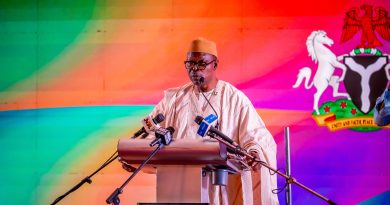
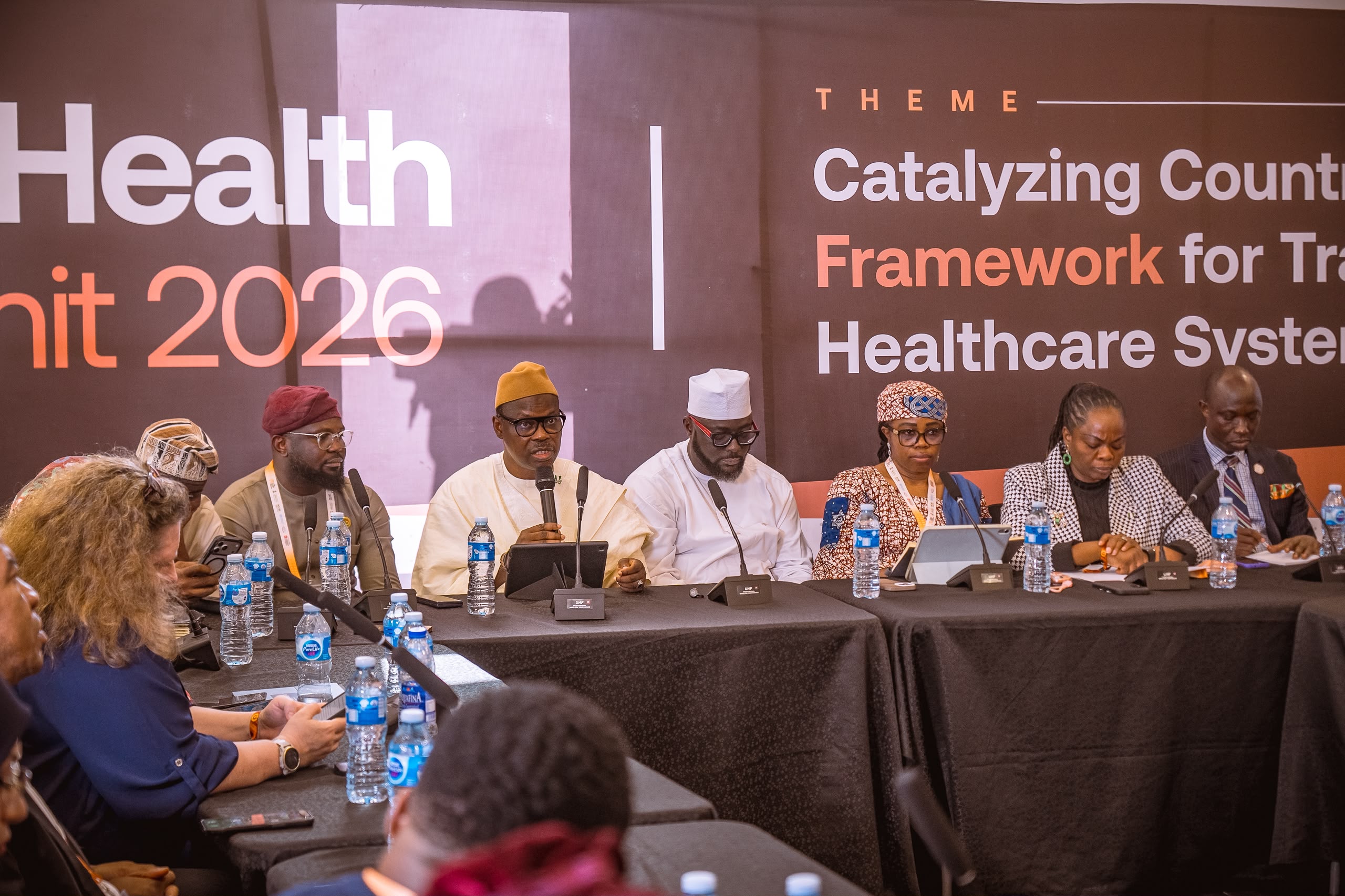
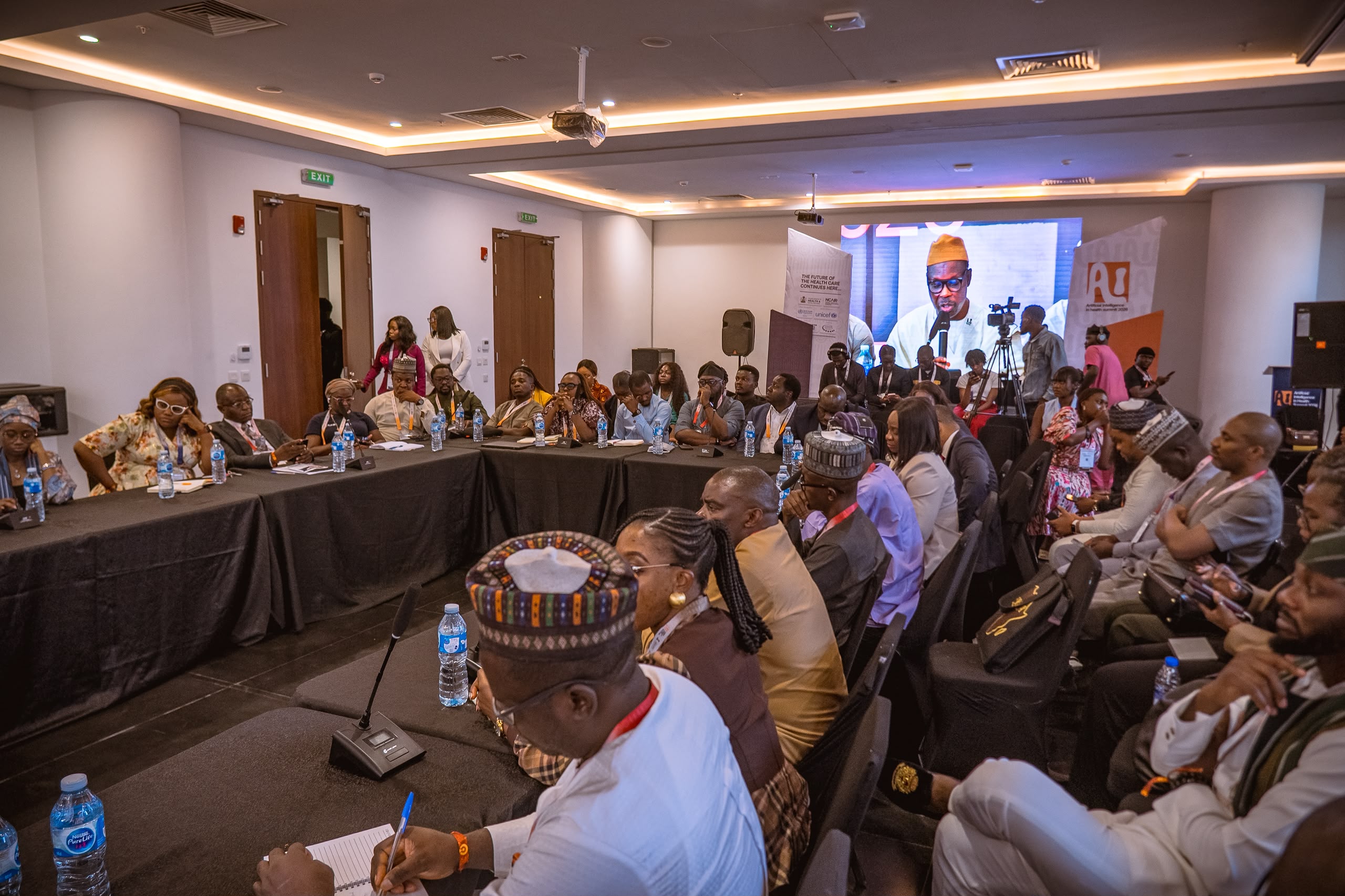
The potential of Artificial Intelligence, AI, to transform healthcare delivery in Nigeria is immense with the market projected to grow substantially, presenting opportunities for innovation, investment, and job creation. However, certain areas like Infrastructure development, reliable electricity and broadband connectivity are essential for AI deployment. Data governance is another area which requires continued attention and collective effort if Nigeria must focus and springboard forward. Dr. Iziaq Adekunle Salako, the MInister of State for Health and Social Welfare, stated this at the 2026 summit of AI in Health which was held on Tuesday, October 20, at the T.Y. Danjuma Centre, Abuja.
Speaking on the theme of the summit, “Catalyzing Country AI-in-Health Frameworks for Transformative Healthcare Systems,” , Salako noted that Africa is witnessing a digital revolution that is reshaping how healthcare is delivered, accessed, and managed. He said Nigeria is committed to being at the forefront of this transformation and that the administration of President Bola Ahmed Tinubu is investing in foundational enablers of AI.
“Under the visionary leadership of President Bola Ahmed Tinubu, GCFR, the Federal Government has placed digital transformation at the heart of the Renewed Hope Agenda. Our commitment to leveraging digital innovation, data systems, and artificial intelligence as critical enablers of health sector reform is unwavering. The Nigeria Digital Health Strategy (2021–2025) and the Nigeria Digital-in-Health Initiative (NDHI) provide the policy and programmatic framework for this transformation. In September 2025, Nigeria launched its National Artificial Intelligence Strategy (NAIS), which identifies healthcare as a priority sector for AI adoption with the National Digital Health Architecture (NDHA), endorsed by all 36 states and the Federal Capital Territory providing the technical blueprint. These instruments collectively articulate a clear vision: a digitally enabled health system where technology supports better decision-making, improves service delivery, strengthens accountability, promotes stewardship, and expands access to care for all citizens.
“The potential of AI to transform healthcare delivery in Nigeria is immense with the market projected to grow substantially, presenting opportunities for innovation, investment, and job creation. We are already witnessing practical applications in disease surveillance, clinical decision support, diagnostics, supply chain management, and health financing. These innovations demonstrate significant potential to improve health outcomes and expand access to quality healthcare, particularly for underserved populations. Nigeria’s The National Centre for Artificial Intelligence and Robotics (NCAIR), operating under NITDA, is spearheading projects to integrate AI into healthcare delivery. The investment in the Nigeria Atlas for Languages & AI at Scale (N-ATLAS), Nigeria’s first open-source, multilingual and multimodal large language model trained on local language data, ensures that AI tools can serve all Nigerians, regardless of language or literacy level.

“As we pursue this vision, we recognise that certain areas require continued attention and collective effort. Infrastructure development, reliable electricity and broadband connectivity are essential for AI deployment. Data governance is another area where we must focus and springboard forward. Government is actively working in these areas to expand access across the country, particularly in rural and underserved areas. The fragmentation of health data across institutional silos is being addressed through the NDHA and the planned Health Information Exchange. Leveraging on the legal foundation of the Nigeria Data Protection Act 2023, we are working to operationalise sector-specific regulations for health data. And, recognising that workforce capacity is a shared responsibility, we will continue to invest in digital literacy and AI skills across the health workforce, from community health workers to specialist clinicians and health system managers”, the Minister noted.
He said that governance and trust must remain at the centre of the approach adding that as AI adoption in healthcare accelerates, FG is committed to ensuring that innovation is guided by appropriate policies, ethical standards, transparency, accountability, and the protection of patient privacy. Citizens must have confidence that emerging technologies are being deployed responsibly and in the public interest.
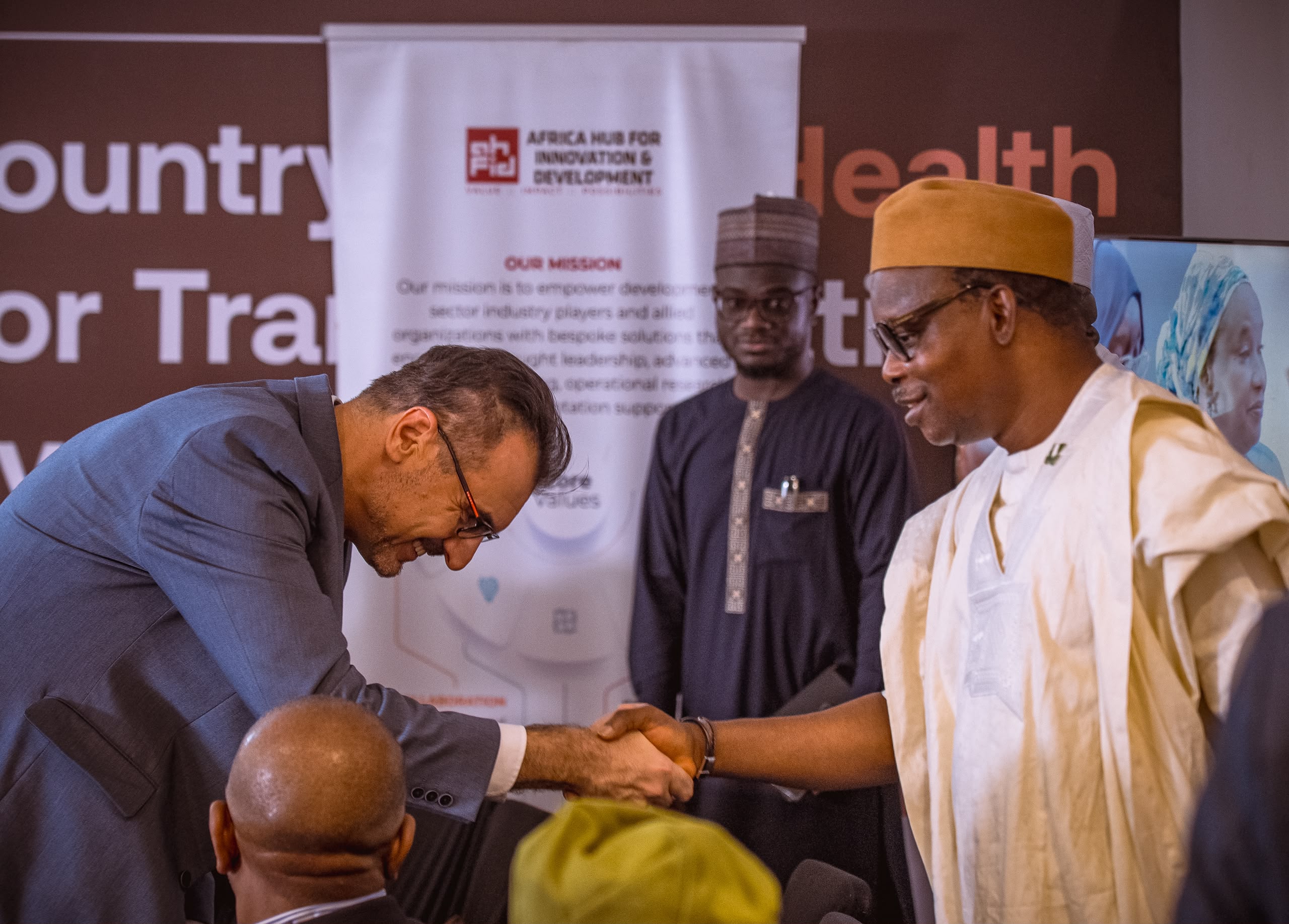
“The question before us is no longer whether AI can transform healthcare. The question is how we can collectively move from experimentation to institutionalisation, from pilots to platforms, and from innovation to measurable health impact at scale. I will therefore like to offer the following reflections on the path forward. First, scale requires strong foundations. AI cannot thrive without reliable digital infrastructure, quality data systems, interoperability standards, cybersecurity safeguards, and a skilled workforce. The Government is committed to investing in these foundational enablers, and we welcome the continued support of our development partners and the participation of the private sector in this regard.
“Second, governance must keep pace with innovation. Building on the Nigeria Data Protection Act, 2013, we are working to finalise and implement sector-specific regulations for health data, including rules on secondary use of clinical data for public health purposes, anonymisation standards, and consent frameworks. Third, partnerships are essential. No single stakeholder can achieve scale alone. Governments, development partners, academia, innovators, healthcare providers, and the private sector must work together to develop sustainable models for financing, deployment, and adoption. We see Public-private partnerships playing critical roles in translating innovation into impact. Fourth, we must prioritise equity. As we deploy AI tools across the health system, we must ensure that rural and underserved populations benefit alongside urban communities. Technology must close gaps, not widen them.
“And, finally, we must build local capacity. Nigeria must develop and retain AI talent by investing in training programmes, integrating AI competencies into medical and health professional curricula, and creating pathways for Nigerian innovators to develop solutions for Nigerian problems.
” Let me therefore call on all stakeholders gathered here to commit to the following:
• As policymakers, we must continue to develop and implement clear regulatory frameworks for AI in health, with a focus on safety, ethics, and equity.
• Innovators must build solutions that are interoperable, scalable, and designed for the Nigerian context.
• Development Partners must align support with national priorities and invest in sustainable, government-owned infrastructure.
• Healthcare Professionals must embrace digital tools as enablers of better care, and actively participate in their design and implementation.
• Academia and Researchers must generate evidence on what works, and translate that evidence into policy and practice.
“Nigeria and Africa are at the cusp of a digital health revolution. With strategic investment, regulatory clarity, workforce training, and sustained political commitment, AI can redefine healthcare delivery, making it more accessible, efficient, and patient-centered across the continent. Let AI in Health Summit 2026 not be merely a jamboree event, but a platform for action, a catalyst for collaboration, and a commitment to a future where technology serves the health and wellbeing of every Nigerian.”