Nigeria Pledges Eye Care for 25 Million Vulnerable Citizens at Global Eye Health Summit
St. John’s, Antigua and Barbuda
Nigeria has pledged to expand equitable access to eye care for over 25 million vulnerable citizens as part of a new global push to eliminate avoidable blindness.
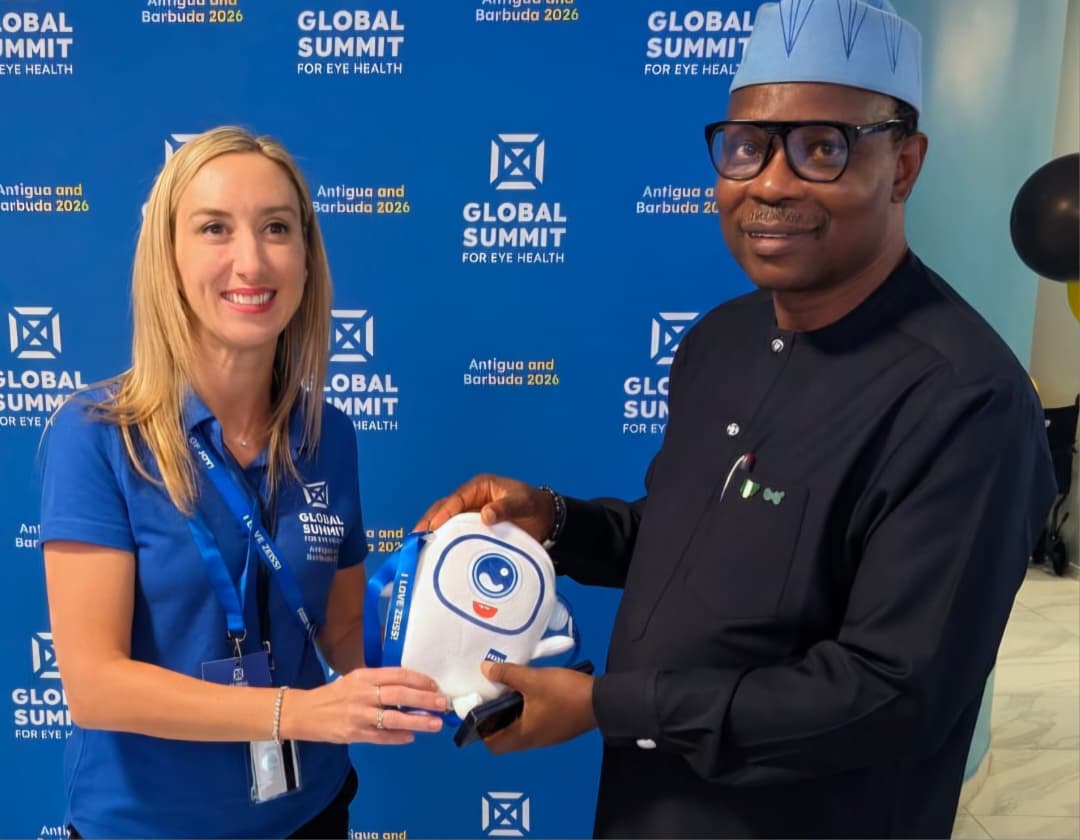
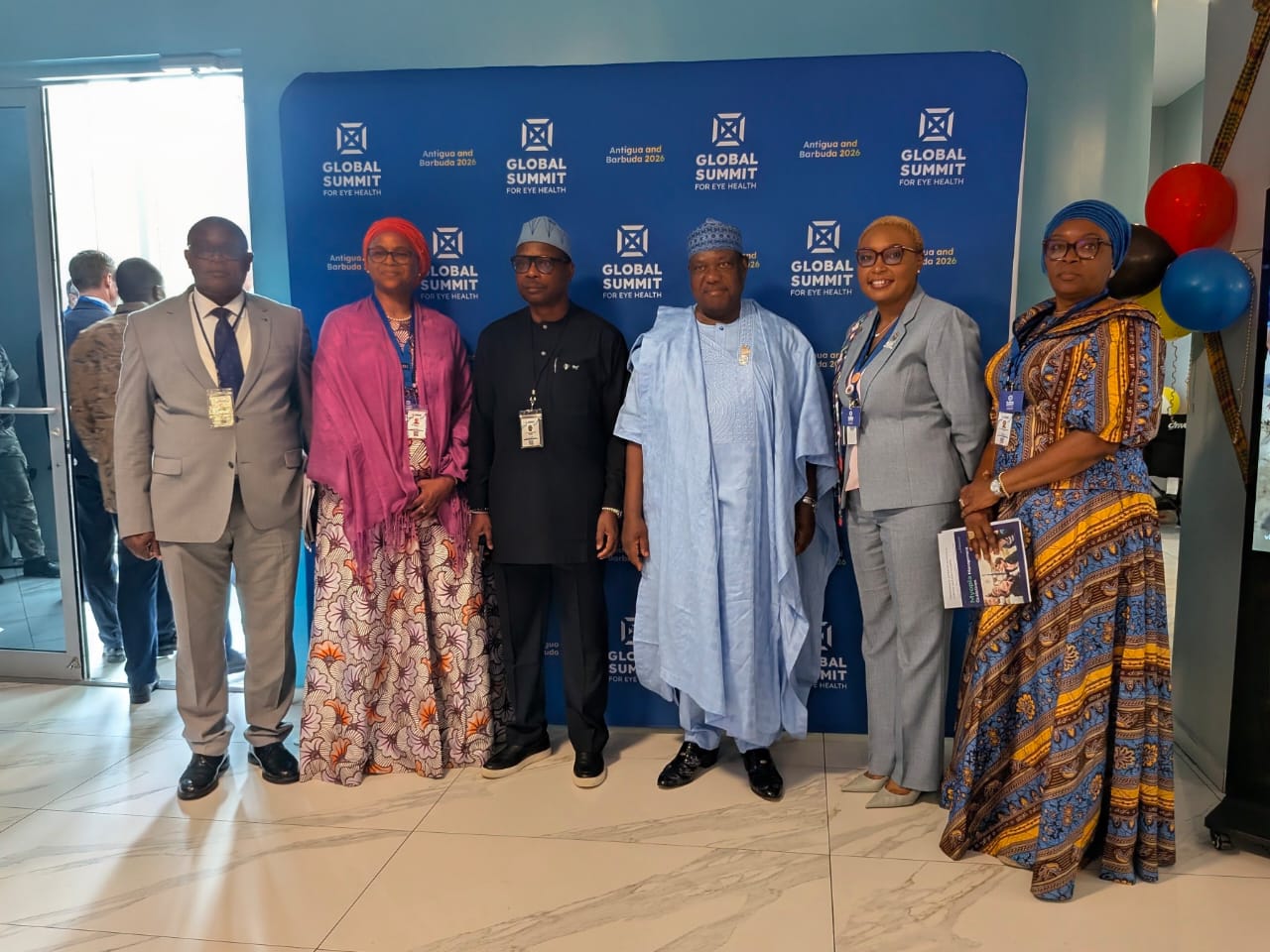
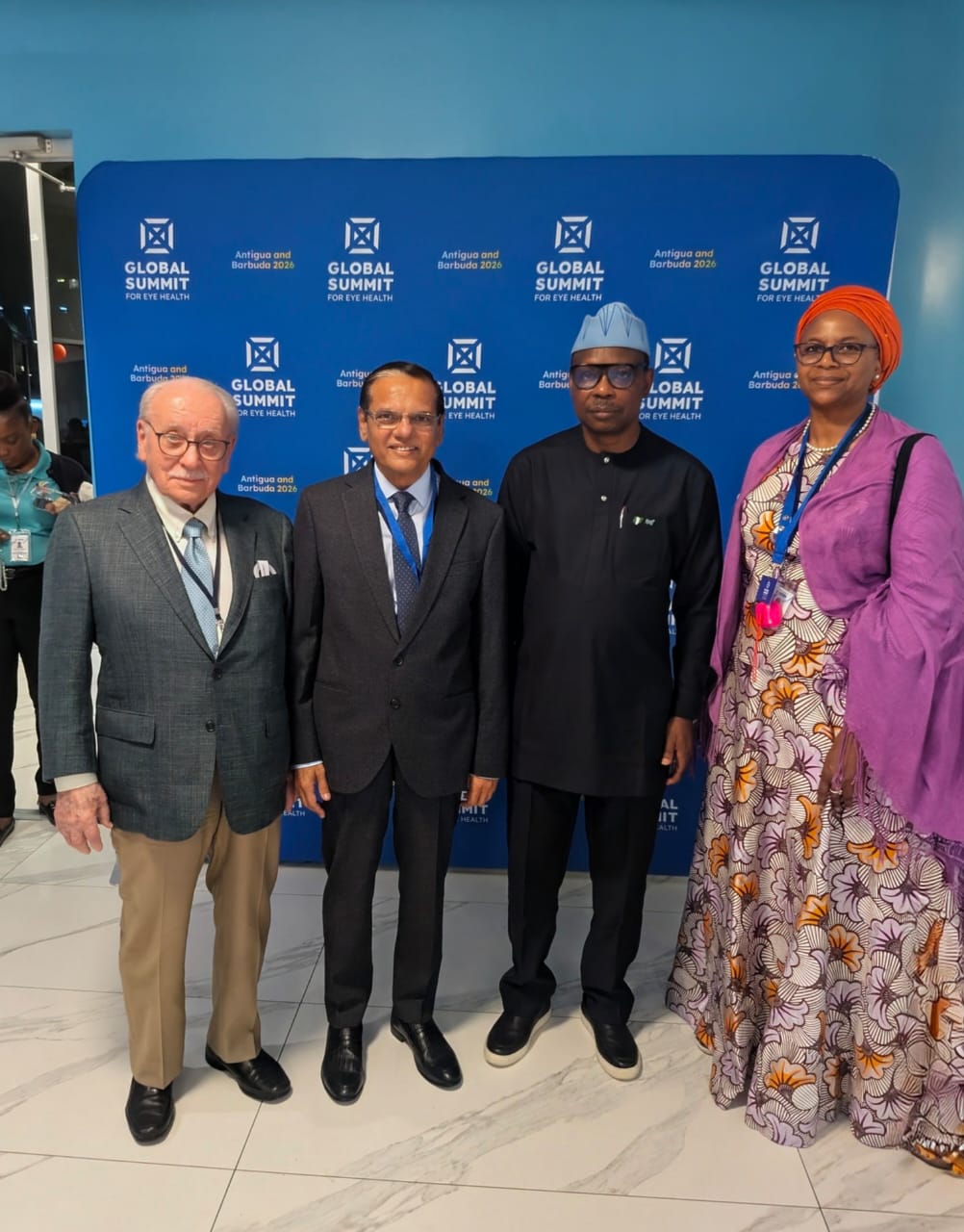
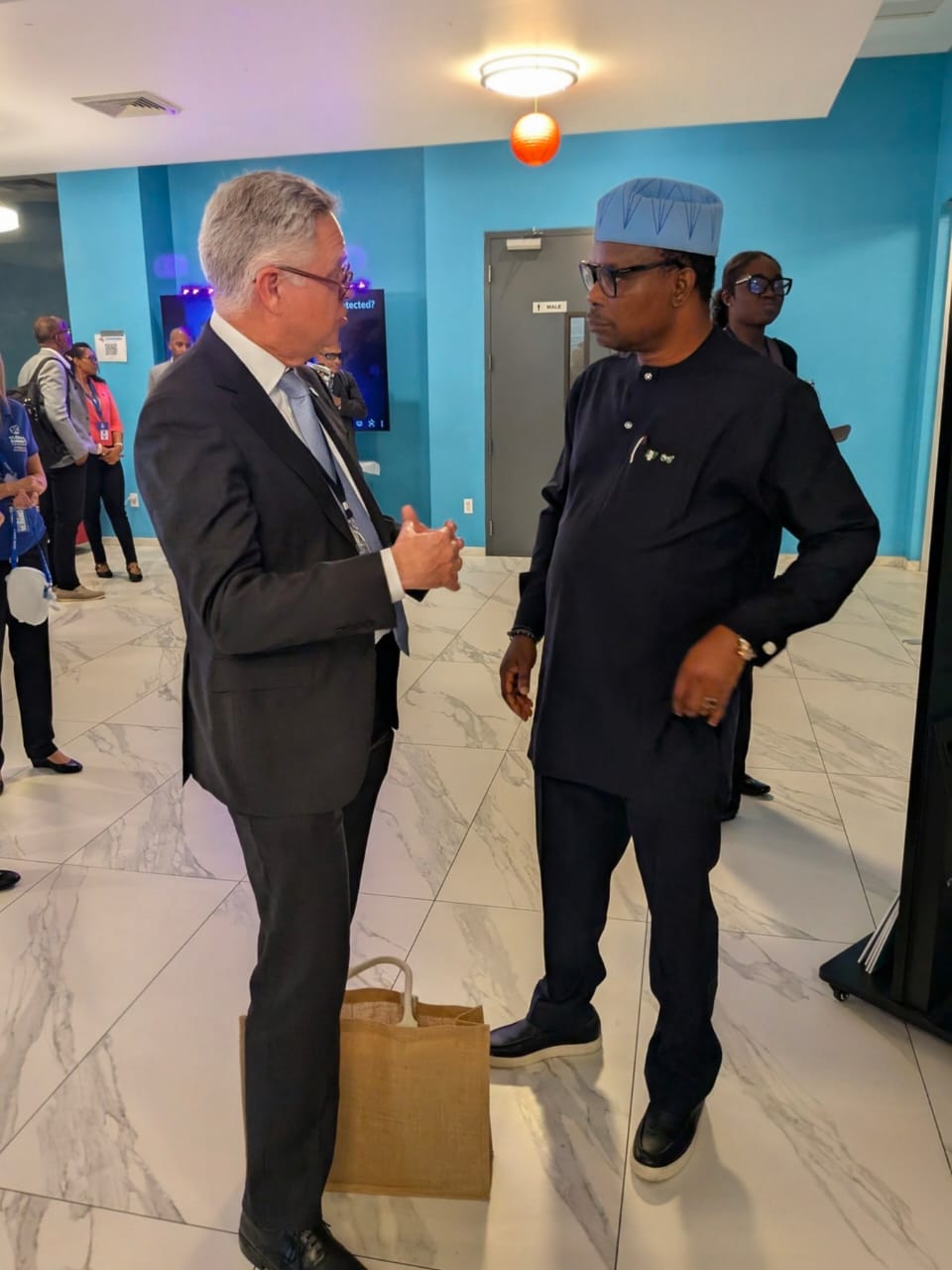
The commitment was announced by the Minister of State for Health and Social Welfare, Dr. Iziaq Adekunle Salako, while delivering the closing address at the Global Summit for Eye Health held on September 2, 2026, in St. John’s, Antigua and Barbuda.
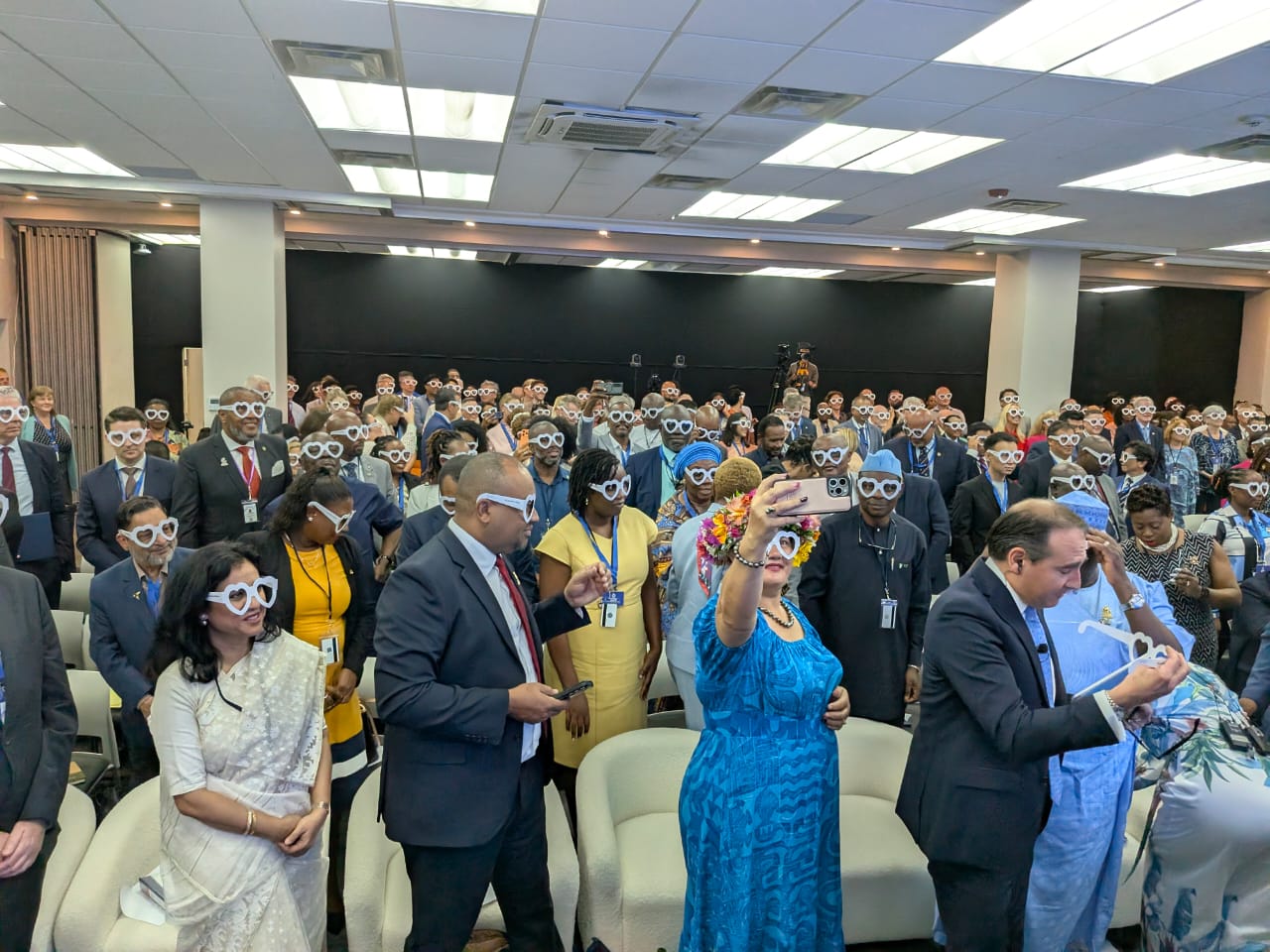
The summit, co-hosted by Antigua and Barbuda, Bangladesh, Tanzania, China and Nigeria, brought together heads of government, health ministers, the World Health Organization (WHO), the International Agency for the Prevention of Blindness (IAPB) and global partners, including HRH The Duchess of Edinburgh.
Dr. Salako said the summit marked a turning point in reframing vision loss as a development issue rather than a purely medical one, noting that it “touches education, locks families in cycles of poverty, diminishes personal and road safety, and restrains national productivity.”
From JigiBola to JigiBola 2.0
In a personal reflection, the Minister traced Nigeria’s eye health journey to 25 years ago when, as a young medical officer in Lagos, he volunteered for JigiBola – a programme providing free eye screening, eyeglasses and cataract surgery pioneered by then Governor Bola Ahmed Tinubu.
That initiative, he said, is now being scaled nationally as JigiBola 2.0, formally known as the Effective Spectacle Coverage Initiative Nigeria (ESCIN), under President Tinubu.
“JigiBola 2.0 is about a simple but profound truth: sight is not merely a medical metric; it is a fundamental human right and a catalyst for the full expression of our potentials,” Salako said.
Global Cataract Elimination Drive
A major outcome of the summit is the WHO Global Cataract Surgery Initiative, tagged SEE 2045, which establishes cataract elimination as only the second global elimination target for a Non-Communicable Disease in WHO history. Nigeria is among five cohort countries piloting the initiative.
“We are not simply testing a model; we are forging the blueprint for the entire world,” Salako said, urging cohort countries to document outcomes and share implementation models openly.
$528m in New Commitments
The summit secured $60 million from philanthropic partners to support assistive technology, alongside 15 private sector commitments totalling over $468 million for accelerated eye care implementation. A further 143 commitments were made by non-governmental organisations.
Nigeria’s Pledges
On behalf of President Bola Ahmed Tinubu, Dr. Salako announced Nigeria’s key commitments:
Integrate Primary Eye Care into the Basic Health Care Provision Fund (BHCPF)
Train 15,000 Primary Health Care workers in eye care
Dispense 5 million pairs of ready-made reading spectacles and deliver 25,000 fully subsidised cataract surgeries by 2027
Grow the active eye care workforce by 20 percent
Increase national Effective Cataract Surgical Coverage (eCSC) by 30 percentage points by 2030
He said Nigeria would mobilise domestic public and private resources and work with Commonwealth and international partners to track measurable progress.
“Let history record that here, in Antigua and Barbuda, we did not simply speak of a better tomorrow – we chose to deliver it,” he said.
The summit closed with a call for countries to return as “champions of sight” and sustain momentum for millions awaiting glasses, referrals or cataract surgery.