
Procurement Is A strategic Policy Tool For Improving Health Outcomes, Human Capital, Economic growth, Sustainable development- Salako
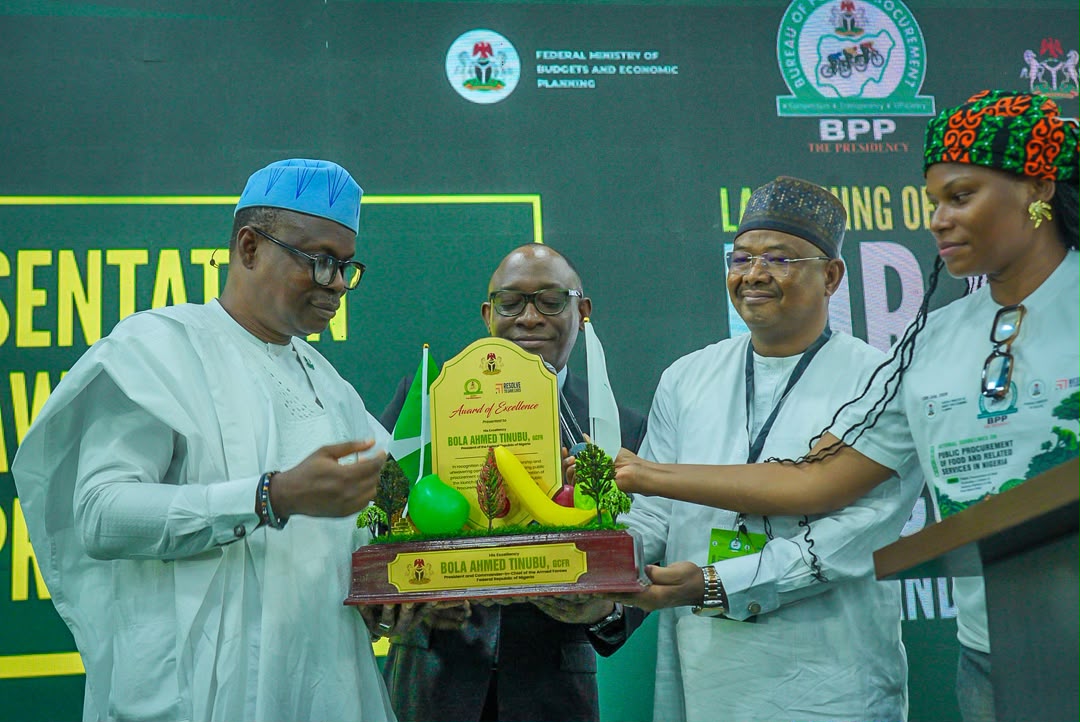
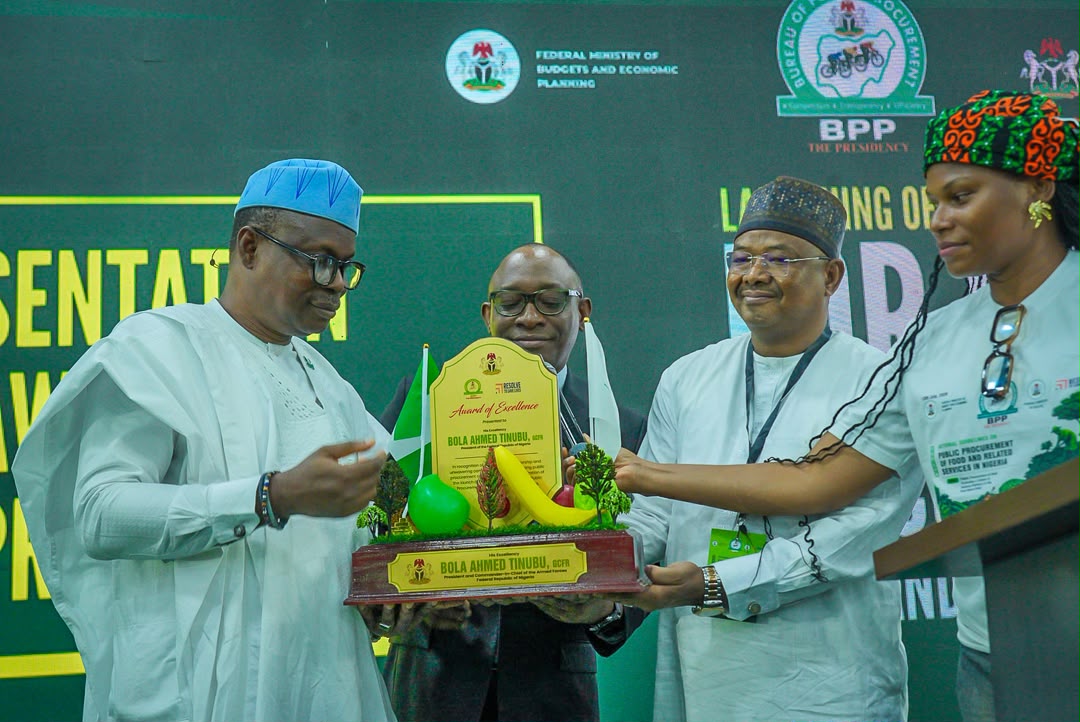
Nigeria’s continuing efforts to strengthen governance, improve public health, and deploy public procurement as a strategic instrument for sustainable national development received a boost as the official launch of the National Guidelines for Public Procurement of Food and Related Services was held at the NAF Conference Centre, Abuja on Monday, 13 July, 2026.
Speaking at the event, Nigeria’s Minister of State for Health and Social Welfare, Dr. Iziaq Adekunle Salako, said procurement is a strategic policy tool capable of improving health outcomes, strengthening human capital, stimulating economic growth and promoting sustainable development.
The Public Procurement Act, 2007, establishes procurement as a system that must ensure “transparency, competitiveness, cost-effectiveness and professionalism” in the management of public resources. These principles are not merely administrative requirements; they are instruments through which government advances national development priorities and safeguards the public interest. Accordingly, Salako noted that procurement should no longer be viewed simply as a compliance exercise, it must increasingly be recognised as a strategic policy tool capable of improving health outcomes, strengthening human capital, stimulating economic growth and promoting sustainable development.
Salako said, “Indeed, the Constitution of the Federal Republic of Nigeria, 1999 (as amended) reminds us in Section 16(1)(b) that “the State shall control the national economy in such manner as to secure the maximum welfare, freedom and happiness of every citizen.” Similarly, Section 17(3)(d) enjoins the State to direct its policy towards ensuring that there are adequate medical and health facilities for all persons. These constitutional imperatives underscore the responsibility of government to ensure that every public investment including procurement advances the welfare and wellbeing of Nigerians. The Guidelines being launched today remind us that even routine procurement decisions can become powerful instruments for improving nutrition, preventing disease, strengthening human capital and advancing national development.
” Today’s launch is also another practical demonstration of the collaborative and whole of government approach of the Tinubu’s adminstation reflecting the shared understanding that sustainable improvements in health outcomes are achieved when government works as one; integrating procurement policy, health policy, agricultural development, nutrition programming and economic planning into a coherent national response. I wish to therefore commend the Bureau of Public Procurement for its visionary leadership in developing these Guidelines. I also acknowledge the invaluable contributions of the Federal Ministry of Budget and Economic Planning, Resolve to Save Lives, other development partners, technical experts and every institution whose commitment has brought this important initiative to fruition. Together, we have demonstrated that the under the Renewed Hope Agenda, procurement is no longer a process to fulfill all righteousness, but a strategic lever for achieving national priorities in health, nutrition, sustainability and economic development.”
According to the World Health Organization, unhealthy diets contribute to approximately 7.2 million deaths globally each year, driven largely by excessive consumption of sodium, sugar and unhealthy fats, together with inadequate intake of fruits, vegetables, whole grains and other nutritious foods. In Nigeria, the average adult consumes between 3.9 grams of sodium per day, far above the WHO recommended limit of 2 grams. Industrial trans‑fat intake, a major contributor to cardiovascular disease is also above recommeded average daily intake prompting Nigeria’s adoption of the Trans‑Fatty Acid Regulation to restrict trans fats to not more than 2% of total fat content in all foods. Additionally, the rising consumption of sugar‑sweetened beverages incriminated in the increasing rates of obesity and diabetes has occasioned the introduction of the Sugar‑Sweetened Beverage (SSB) tax as a public health measure. These measures are designed to control our dietary patterns that fuels the growing burden of non-communicable diseases thus placing enormous pressure on health systems, national economies and household incomes.

Malnutrition remains a direct or underlying cause of almost half of all deaths among children under five years of age. The recently conducted Nigeria Mini Demographic and Health Survey shows that approximately four in every ten Nigerian children under the age of five are stunted, while UNICEF estimates that nearly two million Nigerian children suffer from severe acute malnutrition each year. These are not merely health statistics. They represent profound human capital challenges with significant implications for educational attainment, labour productivity, household prosperity, national competitiveness and sustainable economic growth.
According to the Minister, it is precisely because of these realities that the National Guidelines being launched today is both timely and consequential. Government remains the largest institutional purchasers of food and related services in our country. Consequently, the standards it adopts, the food it procures and the nutritional choices it promotes extend well beyond public institutions. They shape food environments, influence consumer behaviour, stimulate demand for healthier products, strengthen accountability throughout the food value chain and encourage producers, processors, suppliers and food service providers to raise their standards.
He said the Government procurement must not merely respond to markets, it must help to shape them. When government demands healthier, safer and more nutritious food, it creates incentives for the entire food system to innovate, improve quality and align with higher public health standards. In this way, procurement transcends its traditional purchasing function and becomes a powerful catalyst for improved nutrition, stronger food systems and better population health.
“For the health sector, the significance of these Guidelines cannot be overstated. Health promotion is not merely about encouraging individuals to adopt healthier lifestyles; it is about creating environments in which the healthy choice becomes the easy, safe and accessible choice. Public policy must therefore shape the conditions that enable healthier behaviours to flourish.
“By establishing evidence-based standards for the public procurement of food and related services including appropriate limits on sodium, sugar and unhealthy fats, while promoting balanced and nutritious diets. This guideline document is expected to reinforce existing national policies such as the National Guideline for Sodium Reduction, the Trans Fat Regulation and the 2023 National Policy on Food Safety and Quality. If further underpins the priority attention that the administration of President Bola Ahmed Tinubu is giving health promotion and disease prevention as not only the most effective public health strategy but also one of the soundest economic investments a nation can make.

“Every preventable illness averted is a life preserved, a family protected from avoidable financial hardship, and valuable national resources conserved for productive investment. Healthy populations drive stronger economies, more resilient communities and sustainable national development. This philosophy is fully aligned with the Nigeria Health Sector Renewal Investment Initiative (NHSRII), which recognises that improving health outcomes requires action far beyond hospitals and clinics. Health is shaped by the environments in which people are born, grow, learn, work and play. Nutrition remains one of the most powerful determinants of health throughout the life course, influencing child development, educational attainment, workforce productivity and healthy ageing”, Salako noted.
He said the commitment of President Tinubu’s administration to Universal Health Coverage (UHC) is not just about expanding access to hospital care but equally about reducing the incidence of preventable diseases through healthier communities, healthier public institutions and healthier public policies.
“The Federal Ministry of Health and Social Welfare will therefore continue to ensure the full implementation of National Health Act, 2014 by enabling our national health system to promote equitable, efficient and effective holistic healthcare for all Nigerians. Across the health sector, we are already demonstrating how strategic procurement can strengthen institutions, improve service delivery and deliver greater value for public resources. Through transformative reforms such as Medipool, government is leveraging its purchasing power to improve transparency, strengthen supply chains, achieve greater value for money, reduce fragmentation and expand equitable access to quality health commodities. These reforms embody the principles of the Public Procurement Act, 2007, which emphasises transparency, accountability, efficiency and value for public expenditure.
“The National Guidelines for Public Procurement of Food and Related Services extend this same strategic philosophy to nutrition recognising that government purchasing decisions influence not only institutional feeding programmes but also agricultural production, food processing, market behaviour, consumer preferences and, ultimately, population health. Strategic procurement therefore becomes an important policy instrument for advancing nutrition security, strengthening food systems and supporting sustainable national development.
“Every procurement decision carries consequences that extend beyond financial transactions. It influences health outcomes, educational attainment, productivity, environmental sustainability and public confidence in government. What the Bureau of Public Procurement has accomplished by this guidelines is far more significant than producing another technical guideline. It has demonstrated how procurement can be transformed into a strategic instrument for advancing national priorities, promoting healthier communities and delivering measurable public value. For this visionary leadership, the Bureau deserves our sincere commendation.”