
THE TEMPLE OF JUSTICE ON TRIAL
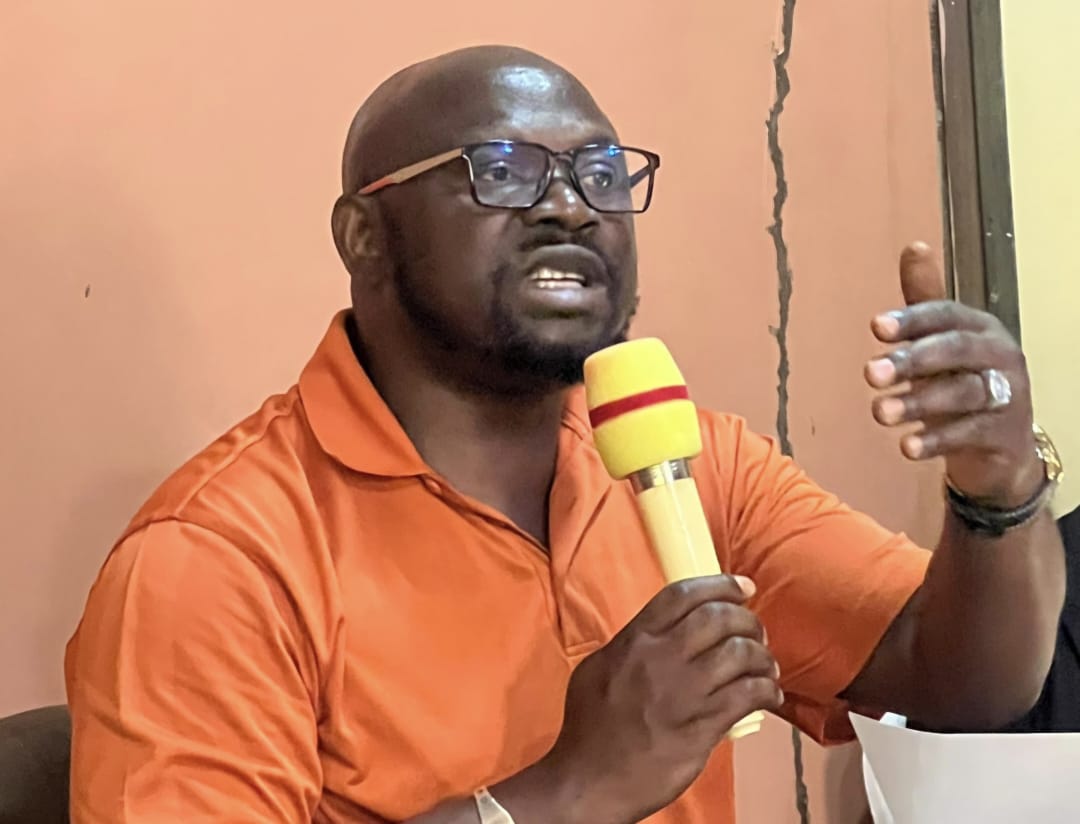
Oluwadare Ayeni PhD
From the long night of military rule to the fragile dawn of civil governance, Yoruba lawyers stood at the frontline of Nigeria’s democratic struggle. They drafted petitions when votes were stolen, defended detainees when prisons swallowed dissent, and forced the courts to become arenas of accountability. The moral courage of figures such as Obafemi Awolowo, Bola Ige, Gani Fawehinmi, Afe Babalola, and Wole Olanipekun fortified the Bar witha spine of principle. They proved that law is not ritual; it is resistance to arbitrariness. The Yoruba legal tradition, at its noblest, is a tradition of conscience, courage, and fairness.
It is against this inheritance that the present conduct of Egbé Amòfin Oòduà must be judged. Formed in 1989 as an association of Yoruba-speaking lawyers to promote welfare and unity, defend and advance the rule of law, contribute to legal development in Nigeria, and preserve Yoruba culture and heritage within the profession, the organisation was conceived as a civic trust. Today, that trust is in breach. The body has drifted from its chartered purpose and stands in tension with its own founding mandates. What was built as a bridge of unity now functions as a wall of division. What was established to enlarge the rule of law now mirrors the habits that undermine it. The organisation has become a shadow of itself, sectional, exclusionary in effect, and dilutional of the values it once proclaimed.
The presidency of the Nigerian Bar Association is zoned to the South West. Three Yoruba Senior Advocates, each qualified by record and service, are in contest: Olumuyiwa Akinboro, Oyinkansola Badejo-Okusanya, and Lateef Omoyemi Akangbe. In a profession anchored on fair hearing, neutrality, and due process, the umbrella body’s public adoption of one aspirant is a moral breach, even if defended by procedural sophistry. When an institution that claims to represent all Yoruba lawyers anoints one among equals, it converts fraternity into faction and principle into instrument.
Let us name the disease plainly. For the organisation to be supporting Olumuyiwa Akinboro in this manner appears to be a product of the rent-seeking politics, favouritism, and godfatherism for which Nigerian politics is notorious. This is transactional power masquerading as cultural leadership. It is influence peddling in a robe of tradition. The tragedy is not that preferences exist; it is that institutional authority is being deployed to tilt the field among equals, thereby contaminating the electoral conscience of the Bar.
Political philosophy warned us long ago. Plato, in reflecting on state formation, distinguished the guardians (philosopher-kings), the warriors, and the artisans. The guardians were to rule because they embodied wisdom, restraint, and devotion to the common good. Lawyers belong to that guardian class in any constitutional order: interpreters of norms, mediators of conflict, trustees of public reason. When guardians privatise authority for factional ends, the city corrodes from within. The Bar becomes a marketplace of influence rather than a court of conscience.
The consequences are already visible. Branches are polarised. Platforms are inflamed. Younger lawyers are being tutored in the wrong curriculum, that alignment, not merit, purchases advancement. The public receives a corrosive signal: that the rule of law is ceremonial while power is transactional. At a time Nigeria needs a fearless Bar to confront executive overreach, electoral malpractice, and the creeping normalisation of impunity, the profession is busy fracturing itself.
Ethnic solidarity is not a licence to suppress internal democracy. Cultural unity is not a warrant for institutional capture. To bless all credible candidates and insist on a contest of ideas would have honoured Yoruba values of fairness, omolúàbí, and collective dignity. To bless one is to imply, by institutional force, that the others are lesser Yoruba or lesser lawyers. That implication is false in fact and poisonous in effect.
The remedy is urgent and simple. Egbé Amòfin Oòduà must withdraw from partisan adoption, restore institutional neutrality, and convene an open, principled engagement that subjects Olumuyiwa Akinboro, Oyinkansola Badejo-Okusanya, and Lateef Omoyemi Akangbe to equal scrutiny on vision for the Nigerian Bar Association, access to justice, welfare of young lawyers, disciplinary reform, technology in practice, and the defence of constitutionalism.
This is a political moment for the profession, and it demands emotional honesty. A society where lawyers cannot keep their own house in order is not safe to live in. The temple of justice cannot be defended with polluted hands. If the Bar trades neutrality for favour today, it will trade courage for comfort tomorrow. History will record who stood for the temple, and who traded it for influence.
Oluwadare Ayeni PhD is an Associate Professor of African Democracy and Public Governance