Under Tinubu’s Leadership, Nigerians’ Health is Regarded As An urgent Matter of Right, Essential Pillar for Economic Growth- Minister
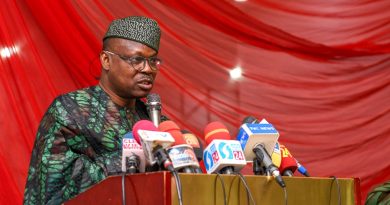
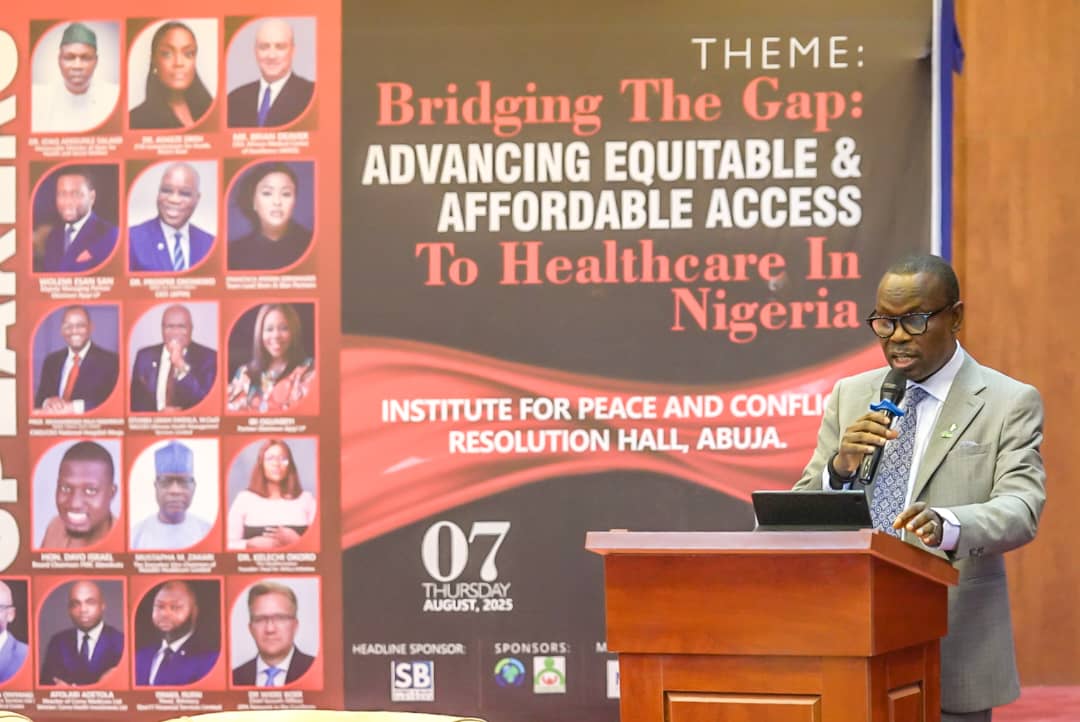
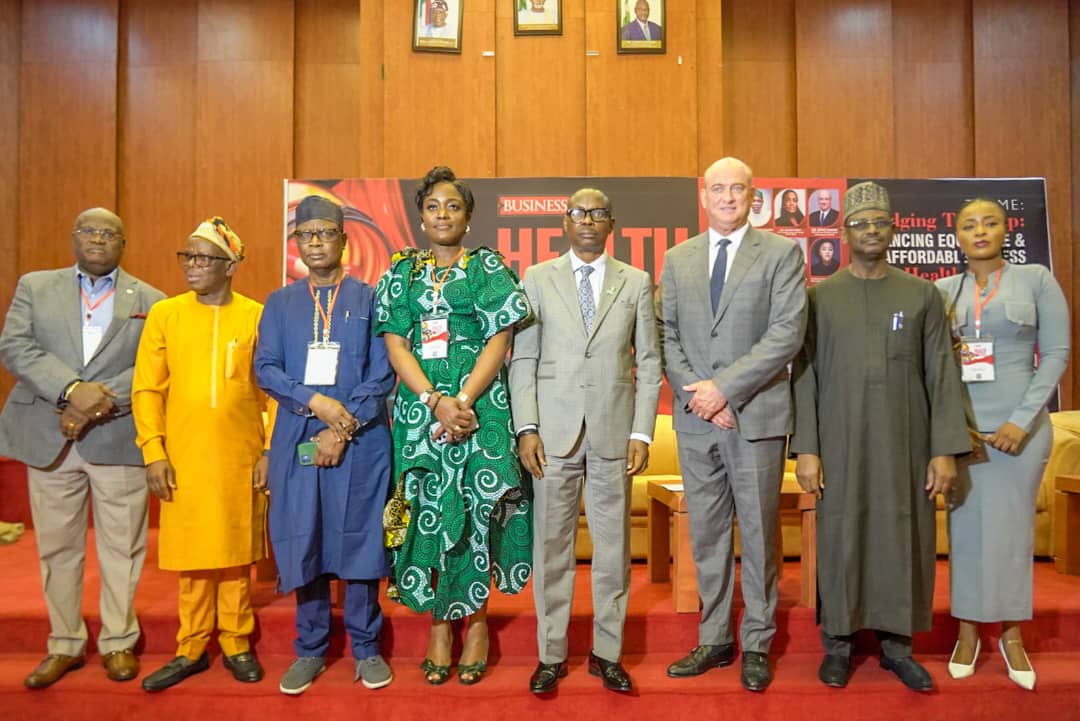
Under the leadership of President Bola Ahmed Tinubu and within the frameworks of the Renewed Hope Agenda, the health of Nigerians is regarded as an urgent matter of right, an investment for a better Nigeria and an indispensable, essential pillar for economic growth and societal prosperity. This was stated by the Minister of State for Health and Social Welfare, Dr. Iziaq Adekunle Salako, at the maiden edition of BusinessDay Health Conference held on Thursday, August 7, 2025 at the Institute of Peace and Conflict Resolution hall, Central Business District Abuja. The conference, according to the organizers, was designed to “foster collaboration and partnerships, increase awareness of the challenges and opportunities in the health sector and encourage the adoption of digital technology to improve patient care and outcomes.
Speaking on the theme; “Transforming Nigeria’s Healthcare Landscape: Government Reforms as Catalysts for Unlocking Full Potential of the Healthcare Value Chain”, Salako said it was an important and timely subject as stakeholders collectively steer a course toward a resilient, inclusive, and innovation-driven health system.

He said the Federal Government of Nigeria, through the Ministry of Health and Social Welfare, has been taking bold and strategic steps to reposition the health sector, not as a cost centre, but as a critical investment opportunity capable of delivering on national security, productivity, and socio-economic advancement.
“The Nigerian Health Sector Renewal Initiative (NHSRI) launched in December 2023 has been put together as the bedrock of our health sector transformation agenda to drive sustainable systemic change: It is a mechanism to leapfrog and consolidates critical reforms across primary, secondary, and tertiary care levels and is resting of 4 main pillars of effective governance, efficient, equitable and quality health system, unlocking healthcare value chain and ensuring health security. The NHSRI is not just a policy document; it is an operational transformation blueprint being implemented with speed and focus with the overall goal of saving lives, reducing physical and financial pains and producing health for all Nigerians. As cross cutting enablers to deliver on the NHSRI is digitization, better and smarter spending and a paradigm shift to institutionalize performance based culture.
“At the heart of the NHSRII is the health sector renewal compact, a formalized agreement between the Federal government, 36 states of the Federation plus the FCT and key development partners, reflecting a new paradigm of Health Governance which through the Sector Wide Approach (SWAP) is birthing a fundamental shift in how we coordinate health policy, planning, and financing. The SWAp model dismantles fragmented, siloed project-based implementation and replaces it with a unified, nationally owned, and partner-aligned architecture. Under SWAp, domestic resources is being alligned with external donor funding to ensure coherence, reduce duplication, and maximize efficiency. The SWAP approach is about One Plan, One Budget, One M&E Framework, One report, which allows for better accountability and prioritization of interventions.”
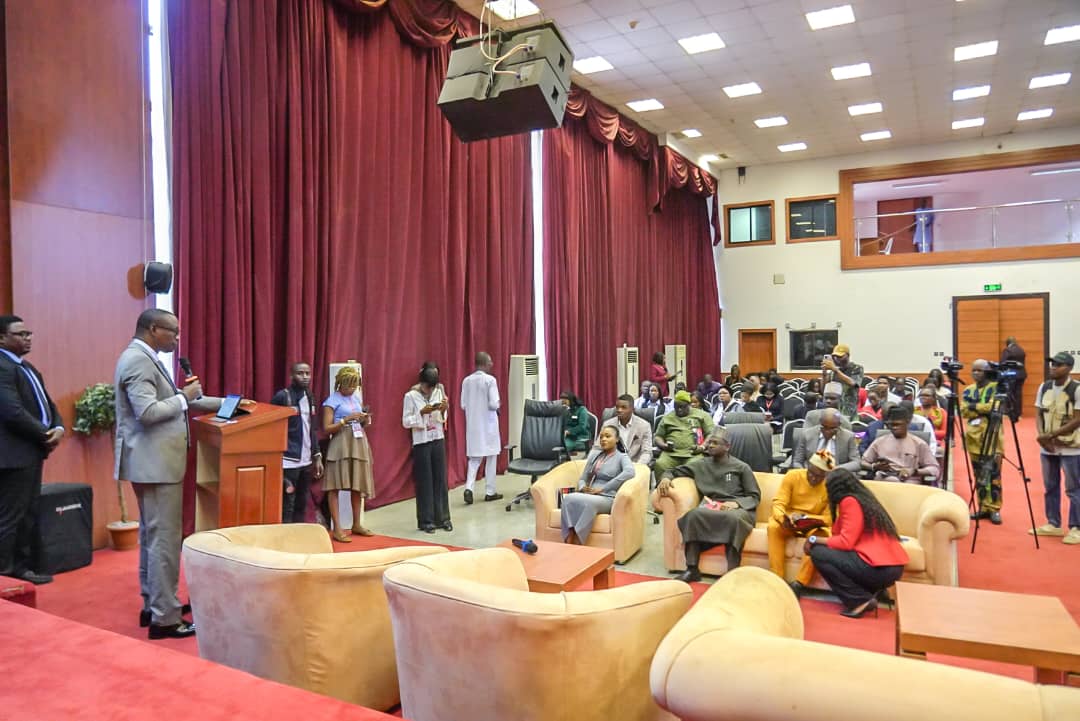
He outlined some of the major thrusts and key ongoing deliverables of the NHSRII which are catalyzing value chain transformation across health service delivery, infrastructure, governance, and investment.
“Human Resources for Health (HRH): Restoring the Health Workforce Pipeline: Nigeria’s health workforce has been under severe strain due to years of underinvestment, suboptimal working conditions, and migration pressures. To reverse this trend and restore health workforce pipeline, we have introduced a comprehensive Human Resources for Health Development Strategy that is pragmatic, contextual, and future-facing. The Federal Ministry of Health and Social Welfare is expanding training capacity across educational institutions that train health workers including doctors, nurses, laboratory scientists, pharmacist and so on through the expansion of training capacity of existing institutions and the establishment of new ones. As an example the admission quota to train medical and dental doctors has increased by 38 and 62% respectively since 2023 while the number of medical and dental schools increase by 32 and 27% in this same period with additional 20 schools at various stages of accreditation. In 2024, 4,399 medical doctors and 274 dentists graduated in Nigeria. These numbers reflect ongoing progress, with the total number of licensed medical and dental professionals increasing from 64,949 in 2022 to approximately 66,241 in 2024, representing a 2% growth rate. We have in the last 2 years established 19 new schools of nursing across the country. Also, in 2024, due the reformation of the process to employ health workers, we employed about 15,000 of various cadres to strengthen our federal health institutions.
“We are implementing a community health workforce development through the National Primary Health Care Development Agency, increasing residency slots and internship placements, improving remuneration packages, and, creating performance-based incentives to retain talent in underserved areas. In order to better manage the migration of health workers from the country and harvest organised contribution of Nigeria health workers in diaspora, we have developed and we are implementing an health workers migration policy. We have also finalized the National Health Workforce Registry and launched digital platforms to track and support personnel. The goal is clear: to build, retain, and reward a fit-for-purpose health workforce for today and tomorrow.
“One of the most debilitating challenges to effective service delivery in our facilities is the lack of reliable energy. To address this, the Federal Ministry of Health is implementing an ambitious Energy for Health Initiative, which targets reliable, low-carbon, and sustainable energy access across all federal tertiary hospitals and selected PHCs. In collaboration with the Ministry of Power, Rural Electrification Agency (REA), and key development partners including the World Bank and Gavi, we are deploying solar hybrid systems and alternative energy solutions to eliminate outages and improve equipment functionality. This agenda is already yielding results with a number of tertiary health institutions like the University of Maiduguri Teaching Hospital and Federal Medical Centre, Keffi now running critical care units uninterrupted by power outages, a game-changer for service quality, patient safety, and staff morale.
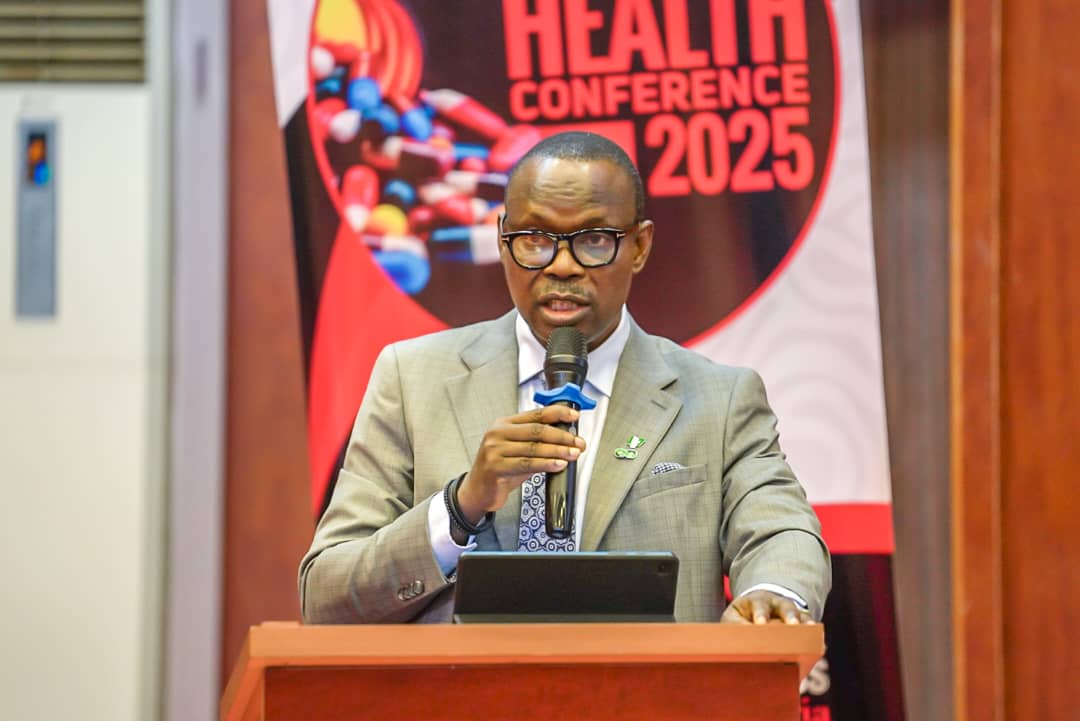
“To further take this energy transformation agenda to scale, better framework the deployment and drive more investment to address the challenge of energy deficit in our health institutions, the FMOH under my office has launched an additional Initiative taggged “ Power in the Health Sector”. This initiative is expected to further refine the policy framework that ensures that deployment of energy solutions in our facilities are aligned within a clear policy frameork, inclusive participation of government, health facilities, investors, development partners and the civil society. A national dialogue to package this lasting legacy is fixed for 9th-10th September 2025, and I invite this August gathering to be part of this initiative. Please visit the website https://power4health.ng/ to learn more about the dialogue.”
Salako said the Federal Government launched the Presidential Initiative for Unlocking the Healthcare Value Chain (PVAC) in 2023, which aims to deepen private sector participation across critical sectors such as pharmaceutical manufacturing, medical diagnostics and imaging, health infrastructure financing, and digital health innovations. Through the PVAC, he said the FG is improving the enabling environment for health investments, fast-tracking regulatory reforms, de-risking capital through blended financing, and unlocking tax and tariff incentives for local manufacturers.
“The bold initiatives uncer PVAC including the Presidential Executive Order for Pharmaceutical and Allied Sectors, is revitalizing local manufacturing as a driving force for Nigeria’s Health Sector reforms. PVAC will catalyse health security, economic growth and employment by accelerating value-chain transformation through cross-institutional coordination and collaboration. The Presidential Order works in tandem by directly incentivizing local manufacturing for medicines and other commodities such as syringes and rapid diagnostic test-kits (RDTs). As a direct result of the implementation of the presidential order, eighty seven (87) local manufacturers are directly benefitting from incentives spread across a total of almost one thousand (1000) Harmonized System (HS) Codes.
“Based on the highly prioritized and incentivized ecosystem fostered by our interventions, progress, have begun to emerge with new pharmaceutical parks and diagnostic hubs under development in Ogun, Lagos, Kano and the FCT. Less than a year ago, two Nigerian products attained the highly regarded WHO prequalification, the first such achievement in west and central Africa. A few months ago, a local manufacturer of RDTs commissioned a world class factory in Ogun state, the second such contextual specification in sub-Saharan Africa. Yet another local manufacturer is set to commission Africa’s first contextual Active Pharmaceutical Ingredients (API) Factory. The feedback from our local pharmaceutical manufacturers also suggests that the implementation of the presidential order has resulted in about 12% reduction in their cost of production which is expected to result in similar reduction in the cost of pharmaceuticals manufactured in the country.
“The Basic Health Care Provision Fund remains a cornerstone of our Universal Health Coverage (UHC) strategy. Through this fund, we provide direct, performance-based financing to PHCs for essential drugs, staff salaries, and facility upgrades. Over the past two years, disbursements have been streamlined through the gateway agencies NHIA, NPHCDA, EMT and NCDC, and governance has been improved through State Health Insurance Agencies. We have prioritized the indigent and vulnerable populations, particularly women, children, and persons living with disabilities, through the Vulnerable Group Funds (VGF) and to scale its impact, the BHCPF is now being integrated with state-level basket funds and community engagement strategies, ensuring that no one is left behind.
“We have launched the National Digital in Health Initiative (NDHI), conceived not as another abstract framework, but as a concrete and implementable roadmap to build a unified, secure, and interoperable digital health ecosystem for Nigeria. The destination of the digitization agenda is to protect and expand the Nigerian digital health space by providing standards and ensuring interoperability between solutions. It will also create millions of jobs by harvesting the innovative energy of the Nigerian youth.”
The Minister said the Government is deliberately implementing strategic interventions to reverse the direction of medical tourism from outbound to inbound.
“As an example, we have delivered 3 comprehensive oncology centres in Benin, Enugu and Kastina with additional 3 others on the way as a response to the findings that a high proportion of Nigerians travels abroad for oncology care. In the last 2 years, we have delivered over 500 key infrastructural projects and advance medical equipments across our various federal tertiary hospitals in the country. Our strategy to encourage the private sector including Nigerian health professionals in diaspora to set up world class, multi-speciality health facility with international accreditation is already yielding fruit with the springing up of such institutions in different parts of the country especially Lagos and Abuja.”