Salako To Medical Fellows: Research, Not Panic Spending, Will Save Nigeria From Next Pandemic
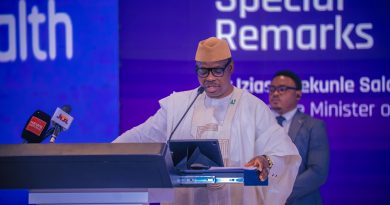
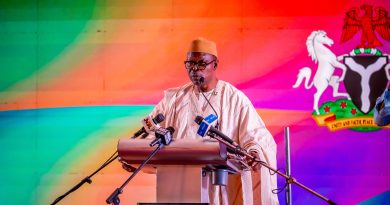
ABUJA — The Minister of State for Health and Social Welfare, Dr. Iziaq Adekunle Salako, has warned that Nigeria cannot afford to wait for another outbreak before preparing for it, saying health systems research is the country’s frontline defence against future pandemics.
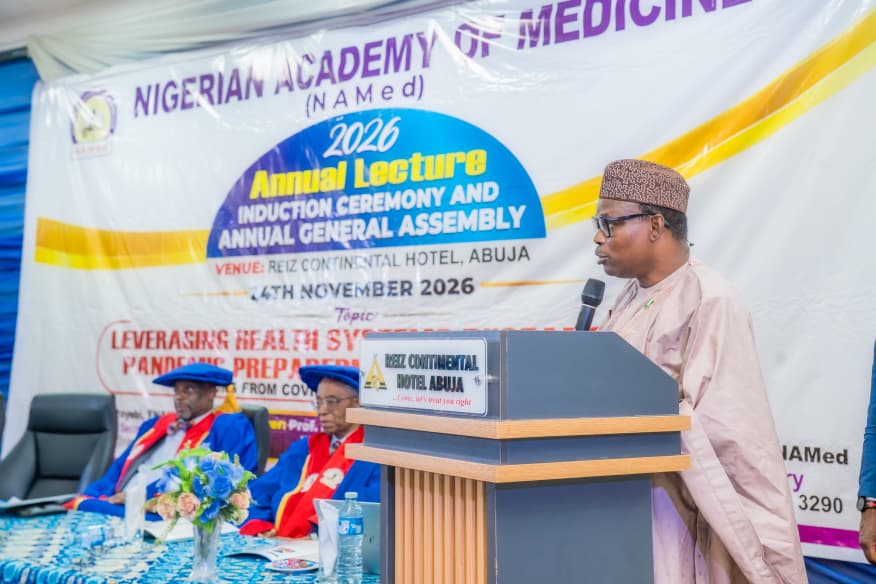
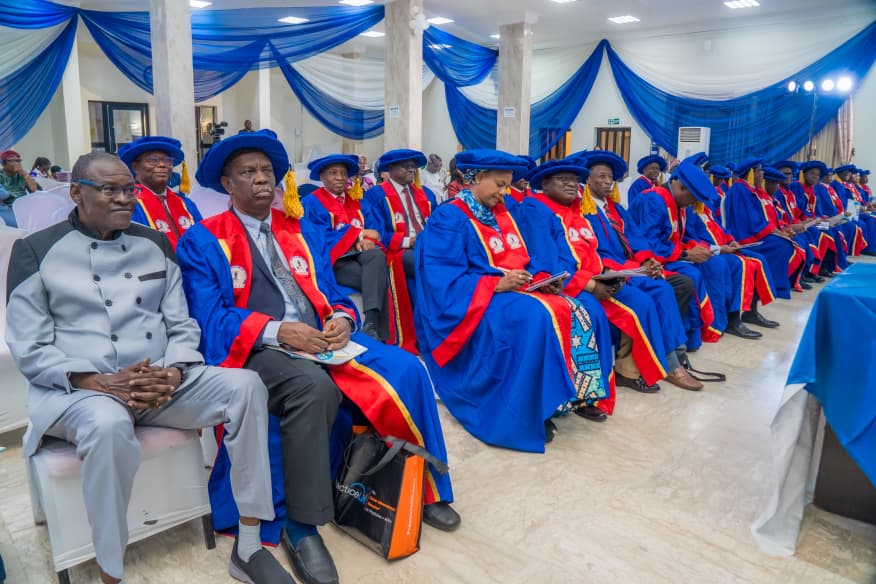
Salako spoke on Tuesday in Abuja at the Nigerian Academy of Medicine 2026 Annual Lecture and Induction Ceremony of New Fellows, themed “Health System Research for Pandemic Preparedness.”
He said the theme could not be more timely, as African countries and the world battle a fresh Ebola outbreak already declared by the World Health Organization (WHO) as a public health emergency of international concern.
“COVID-19 tested every health system in the world, ours included. It showed us what we can do when we act together, but also exposed the gaps we must close,” Salako said.
“Without surveillance, laboratories, trained health workers, and reliable data, no country can respond quickly enough to a new threat. Preparedness is not built during an outbreak, it is built beforehand, with evidence.”
The minister said health systems research tells government what works, for whom, and at what cost — turning hard lessons into policy, and policy into protection.
“Health system research is not an academic luxury, it is our frontline defense which tells us how to make our interventions work in the real world especially under pressure.”
He said the Federal Ministry of Health and Social Welfare remains committed to evidence-informed decision-making, and is working to provide first-line funding for research through the Basic Health Care Provision Fund (BHCPF), currently under consideration for an increase from 1% to 2% of the Consolidated Revenue Fund. To truly prepare for the next pandemic, Salako said Nigeria must learn to manage routine services while managing emergencies, earn community trust before crisis hits, and sustain investment between outbreaks rather than resort to panic-driven spending during them.
He charged Fellows of the Academy to help review Nigeria’s pandemic response, document what worked, strengthen surveillance, design flexible models that respond to outbreaks without collapsing everyday healthcare, and guide resource allocation to the most vulnerable areas.
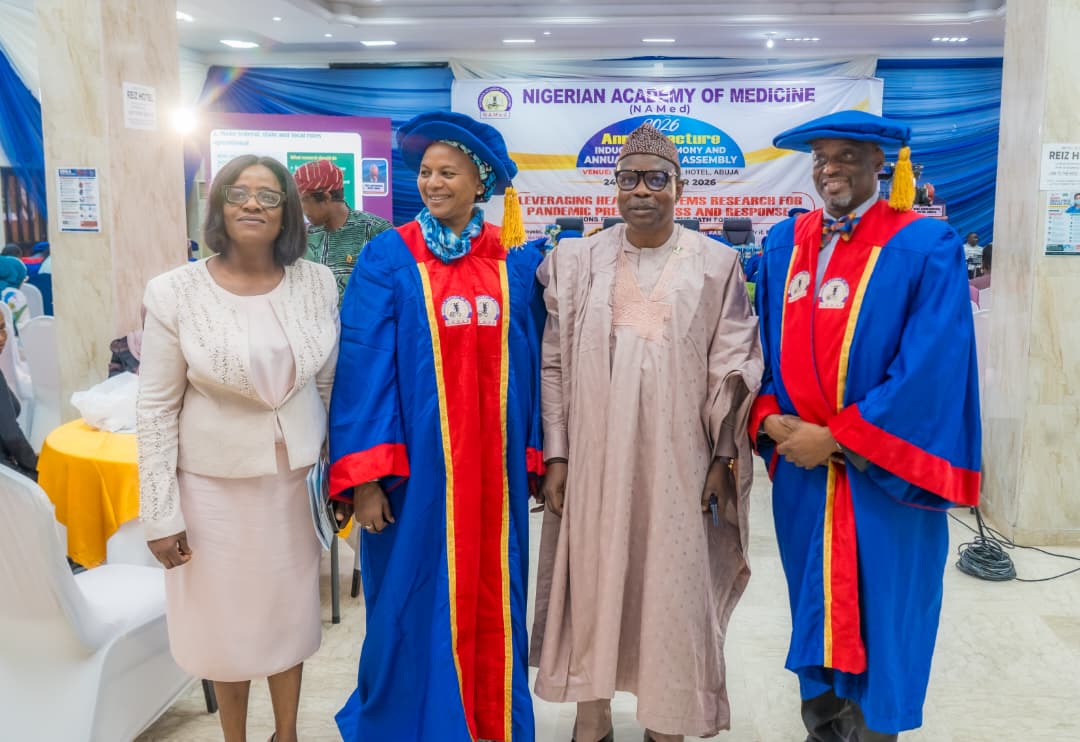
Congratulating the newly inducted Fellows, Salako described induction as both recognition and a call to serve.
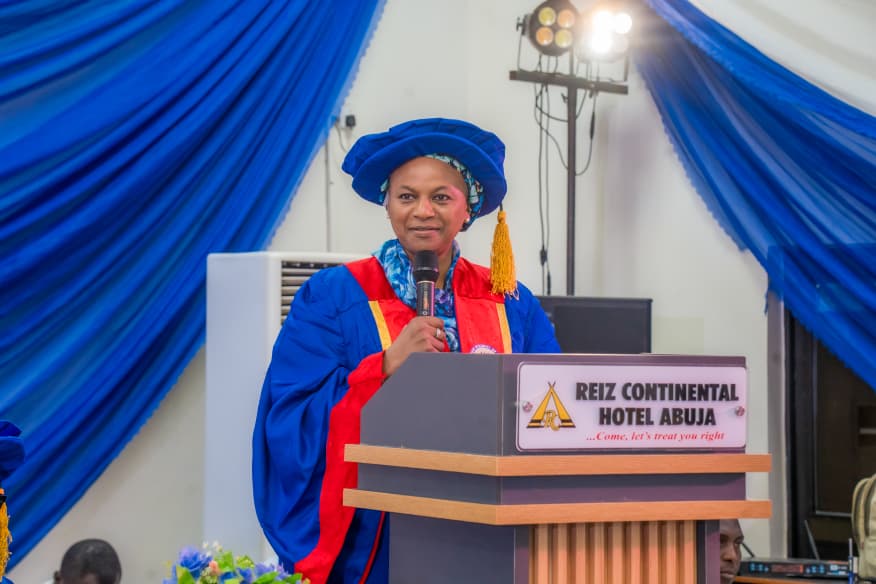
“The nation will look to you for guidance, and I urge you to give it generously.”
He commended the Academy’s leadership under Emeritus Professor Isaac Adewole, a former Minister of Health, and thanked Prof. Uzochukwu for delivering the annual lecture.
Salako used the occasion to review the health transformation agenda of President Bola Ahmed Tinubu, saying the Health Sector Renewal Compact had collapsed Nigeria’s many siloed health plans into one promise: one plan, one budget, one report and one conversation.
According to him, in the last 42 months of the Renewed Hope Agenda:
Almost 8 million more Nigerians have been added to health insurance, including over 3 million vulnerable Nigerians.
Over 8,000 PHCs are being directly supported, with PHC utilisation quadrupled
Over ₦290 billion delivered for basic healthcare
Over 3,000 PHCs upgraded to Level 2 readiness
Facility-reported maternal deaths in priority LGAs down by about 60%, neonatal deaths down 22%, under-5 deaths down 25%
Local pharmaceutical production share up from 30% to 50% between 2023 and 2026, with about 10% increase in active local companies
Overall, he said the administration has scored between 60% and 92% across its 8-point health priorities, covering governance, health security, local production, financing, primary and secondary care, workforce, mental health, equity, quality and preventive care.
As Nigeria moves towards 2027, Salako urged the Academy not to remain silent.
“Lend your voices through town hall meetings, media commentary, policy briefs and other engagements to empower Nigerians to look beyond rhetoric and vote based on demonstrated performance and viable solutions.”
“Let us not remain silent but put our expertise in service of democracy and help illuminate the path towards a stronger Nigeria.”