Politics Requires Strong Presence, Not Sabbatical or Periodic Commentary: A Response to Iyabo Obasanjo
By Kayode Oladele
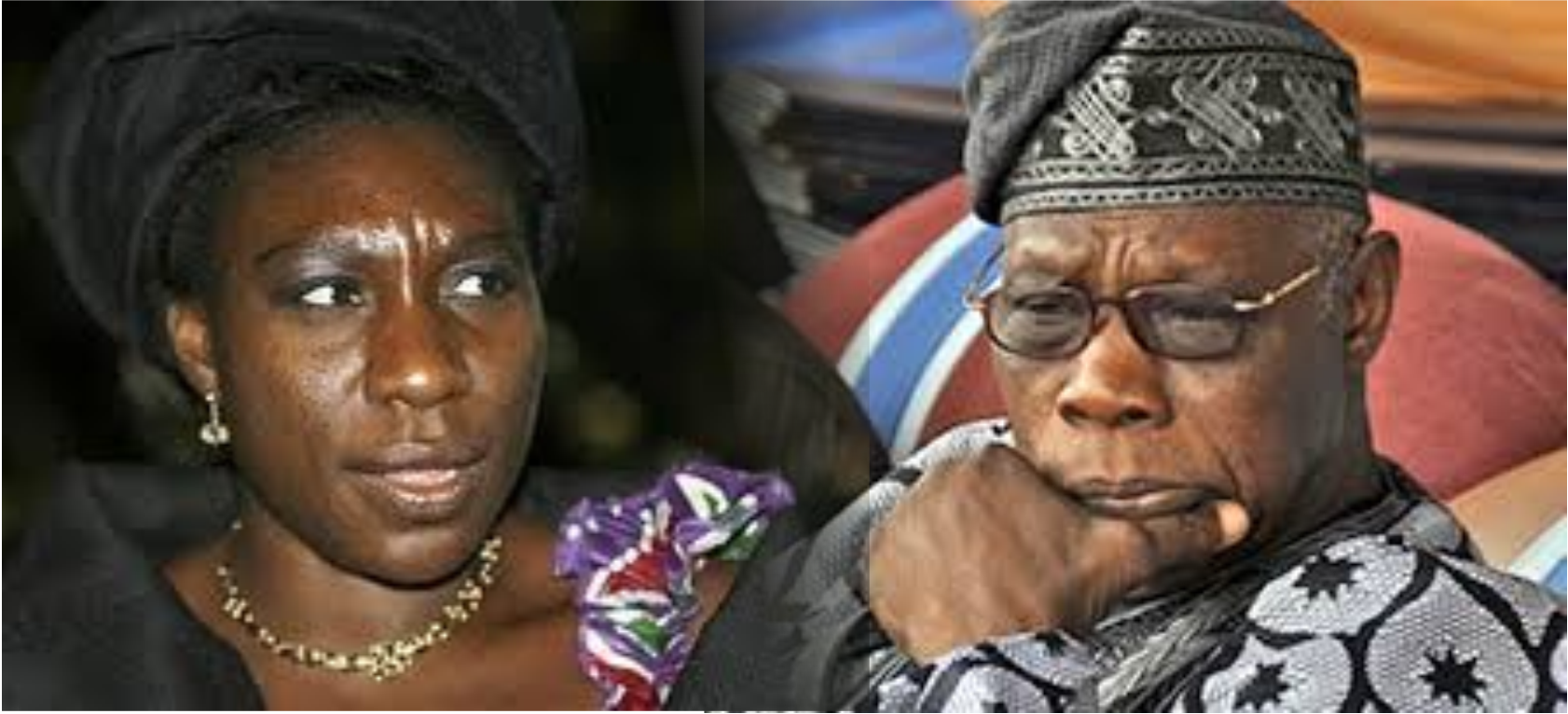
In her recent appearance on Frontline on Eagle 102.5 FM, Ilese Ijebu, where she criticized political defections and described Solomon Adeola Yayi as an opportunist driven by ambition rather than service, Sen. Iyabo Obasanjo raised issues which would ordinarily have deserved sober reflection if they were grounded in objectivity and sustained by engagement with the political and developmental realities of Ogun State over the past decade and a half. However, public commentary, no matter how forcefully delivered, cannot substitute for consistent participation, measurable contribution and enduring grassroots presence.
Politics is not a spectator sport where you sit idly bye and criticize from the sidelines. It is a life-long calling that demands continuity, sacrifice, and accountability. Having taken what can fairly be described as a political sabbatical for over fifteen years, it is difficult to reconcile the tone of moral authority in her recent intervention with the absence of visible, sustained involvement in the developmental trajectory of Ogun State during that period.
Ogun State has evolved significantly in the last decade and a half. Political alignments have shifted, governance priorities have changed and new actors have emerged through hard work, grassroots mobilization and demonstrable service. Those who remained on the field, engaging communities, attracting projects, building institutions and strengthening party structures earned their relevance through effort, not inheritance.
It is therefore simplistic to reduce the political journey of Senator Adeola to “opportunism.”
While we are still on the subject of political migration, a fair question arises: will it also be politically correct to assume that by joining the APC, Senator Iyabo Obasanjo also wants to reap where she did not sow? Political platforms are strengthened by those who invest in them over time through loyalty, grassroots mobilisation, and consistent engagement. It would be contradictory to criticise political movement on one hand and seek entry into a structure painstakingly built by others on the other. He who seeks equity must come with clean hands.
In my view, political mobility in a democracy is not inherently a vice; it can reflect strategic repositioning in pursuit of broader representation, ideological alignment or service delivery. What ultimately matters is performance, legislative impact, constituency development and the trust of the electorates.
Family name may open some doors, but it cannot replace contemporary relevance or grassroots credibility. Ogun people are discerning; they evaluate leaders based on visible impact and sustained engagement across the state not nostalgia or inherited goodwill.
In the end, the electorates not periodic media commentary, will determine whose leadership resonates in the unfolding political season as we approach the 2027 gubernatorial elections.